Can a Bicycle Accident Lawyer Assist With Product Liability Cases
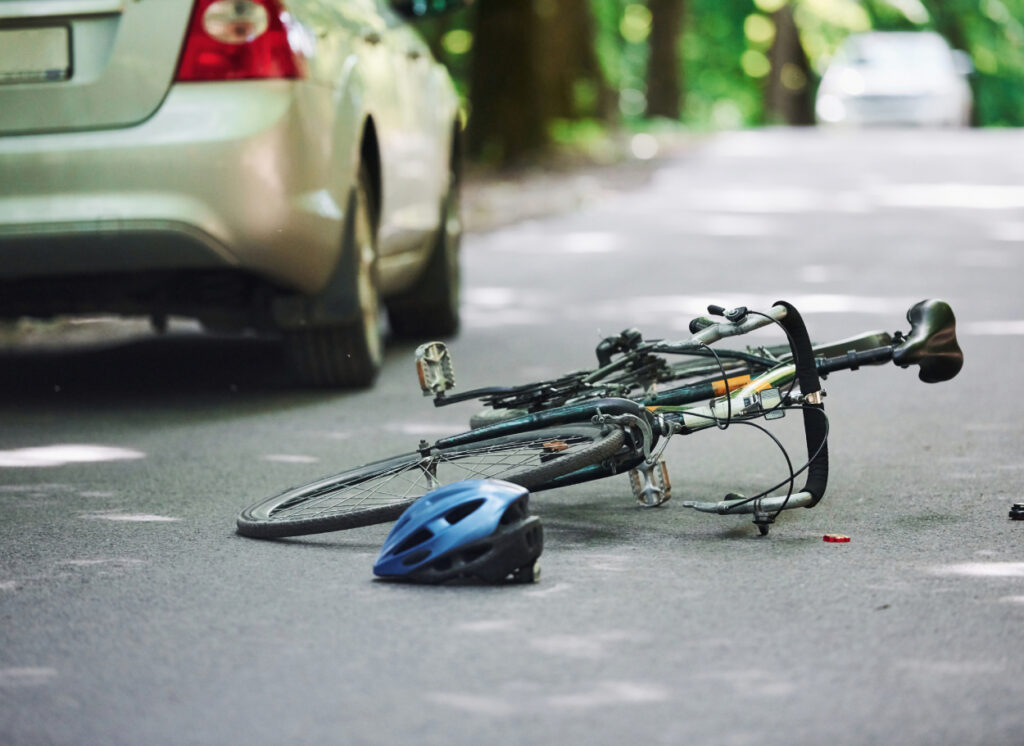
A bicycle crash does not always begin with a careless driver. Sometimes the problem starts much earlier, at a design desk, inside a factory, or on a warehouse shelf. A fork fails under normal riding load. A carbon handlebar cracks without warning. A quick-release skewer appears secure but was built with a defect that lets the wheel separate under stress. When that happens, the legal case may not be limited to a standard injury claim. It may also involve product liability.
That raises a practical question many injured riders ask only after the first wave of medical treatment and insurance calls: can a Bicycle Accident Lawyer handle a case involving a defective bike or bike component?
In many situations, yes. A lawyer who regularly handles bicycle injury claims is often well positioned to recognize when the facts point beyond road negligence and toward a defective product. The strongest lawyers in this area do more than file demand letters. They understand crash mechanics, rider behavior, component failure patterns, and the way manufacturers defend these claims. They also know when to bring in engineers, metallurgists, human factors specialists, and accident reconstruction experts.
The short answer is that a bicycle accident lawyer can absolutely assist with product liability cases, but the value they bring depends on how early they spot the issue, how well they preserve the evidence, and whether they have the experience to build a case against a manufacturer, distributor, retailer, or assembler.
Where bicycle injury cases and product liability overlap
A typical bicycle accident claim often centers on negligence. A driver turns left across a rider’s lane. A municipality leaves a dangerous road defect unrepaired. A property owner creates a hazard on a trail or private access road. In those cases, the central question is whether someone failed to use reasonable care.
Product liability is different. The claim focuses on the bicycle, a component, or safety-related equipment. The issue is whether the product was defective and whether that defect caused the injury. That defect may involve design, manufacturing, assembly, warnings, or instructions.
The overlap becomes important because bicycle crashes are messy events. A rider may be hit by a car, but the injuries become much worse because a helmet retention system failed. A cyclist may lose control after hitting a modest pothole because a front fork had a hidden structural weakness that should not have existed. A rider may descend a hill and discover that hydraulic brakes suddenly lose pressure due to a defective seal. The same event can involve both negligence and product liability.
A skilled Bicycle Accident Lawyer should know how to ask the right first question: did the bike fail because of the crash, or did the bike fail first and cause the crash?
That distinction can shape the entire case.
What counts as a product liability issue in a bicycle case
Not every broken bicycle part creates a product liability claim. Bikes break in severe crashes. Components wear out. Chains snap from poor maintenance. Tires fail after thousands of miles of use. Lawyers and experts have to separate ordinary wear and tear from a true defect.
Most viable claims fall into one of three broad categories:
- Design defects. The product was unsafe even when made exactly as intended.
- Manufacturing defects. Something went wrong during production, so a particular unit or batch was flawed.
- Failure to warn or instruct. The maker did not give adequate warnings, limitations, or assembly instructions.
Those categories sound simple on paper. In practice, they are not.
Take carbon components, for example. Carbon fiber is common in modern road and mountain bikes. It is also unforgiving of improper torque and clamping. If a seatpost cracks because a shop or owner overtightened it, that may not be a design defect. But if the component fails under expected loads despite proper installation and use, the issue may be very different. The lawyer has to examine assembly records, torque specifications, service history, visible fracture patterns, and rider conduct before assigning blame.
The same is true for e-bikes, which have added a new layer of complexity. Battery fires, controller failures, unexpected acceleration, and braking mismatches are not theoretical problems. They are showing up more often in real claims. A lawyer handling modern bicycle cases should understand that e-bike product liability may involve not only bike manufacturers, but also battery suppliers, charger makers, importers, and third-party sellers.
Why a bicycle accident lawyer may be the right starting point
There is a reason injured cyclists often begin with a bicycle-specific injury lawyer rather than a general products lawyer. Bicycle cases have a factual texture of their own. Road positioning matters. Rider visibility matters. Tire pressure, gear choice, cadence, descent speed, and terrain matter. So do common cycling injuries such as clavicle fractures, wrist fractures, dental trauma, pelvic injuries, and traumatic brain injury.
A general personal injury lawyer may understand damages and insurance strategy, but miss the significance of a stem slipping, a tubeless tire bead unseating, or a brake rotor contamination issue. A bicycle accident lawyer is more likely to recognize those details quickly.
That early recognition matters because product cases are won or lost on evidence preservation. Once a damaged bike is repaired, thrown away, cannibalized for parts, or left outdoors for months, critical proof can disappear. Scrape marks, fracture surfaces, alignment issues, torque marks, and embedded debris can all help tell the story of what happened first.
I have seen cases where the strongest evidence was not a dramatic video or a witness statement, but a tiny fracture origin point on an aluminum component that told an engineer the crack had been developing before the crash. I have also seen the opposite, where a rider was convinced the fork had failed first, yet the physical evidence showed impact damage from a curb strike that occurred before the break. Lawyers who work around bicycles tend to know that instinct and proof are not the same thing.
The first job is preserving the bicycle and every component
When product liability is even a possibility, the bike becomes evidence. So do the helmet, lights, computer mount, shoes, pedals, clothing, and any aftermarket parts.
A careful lawyer will usually advise a client to stop using the bike immediately and avoid any repairs. That advice may seem obvious, but it is ignored all the time. Riders want answers. Shops want to be helpful. Family members want the garage cleaned out. Evidence disappears that way.
The most important early steps often include:
- Storing the bicycle indoors in its post-crash condition
- Photographing the entire bike and close-ups of damaged areas
- Preserving receipts, service records, fit records, and assembly paperwork
- Identifying all component brands and model numbers
- Sending preservation notices to potential defendants and insurers
These steps are not legal theater. They protect the chain of evidence and reduce the chance that the defense later claims the bike was altered, mishandled, or further damaged after the event.
In a serious case, the lawyer may arrange a joint inspection with defense experts. That process has to be handled carefully. If the part is disassembled too early, key evidence may be compromised. If it is never examined by qualified experts, a strong claim may remain speculative.
The legal targets may extend far beyond the bike brand
Many riders assume the only possible defendant is the company whose name appears on the frame. In product liability litigation, that is often too narrow. Modern bicycles are assembled from a web of manufacturers, importers, distributors, and retailers.
A front brake failure might implicate the brake manufacturer rather than the frame company. A wheel separation event might involve a skewer maker, a fork designer, a bike shop that assembled the bike, or a retailer that shipped it partially assembled to the consumer. An e-bike battery fire may pull in an overseas cell supplier and the domestic importer.
A seasoned Bicycle Accident Lawyer looks at the supply chain, not just the logo on the downtube.
That approach matters for two reasons. First, it helps identify who may actually bear responsibility. Second, it affects insurance coverage and collectability. A technically valid claim against a dissolved seller with no meaningful insurance may not be worth much in practice, while a properly documented claim against a well-insured manufacturer can be a very different matter.
There are also cases where a retailer or bike shop becomes central. Improper assembly can resemble a product defect. A stem faceplate that was unevenly torqued, a brake hose that was cut too short, or a thru-axle that was not fully engaged can produce catastrophic failures. In those situations, the claim may involve negligent assembly, negligent inspection, breach of warranty, or a combination of theories.
How defect cases are actually proven
People often imagine a product liability case as a dramatic reveal. The truth is usually slower and more technical. Proving a defect often requires layered evidence built over months.
The rider’s account is important, but it is only the starting point. Medical records help establish injury timing and mechanism. Photos from the scene show bike position and debris. GPS ride data may reveal speed and location. Helmet damage can support or undermine a claimed sequence of events. Shop service records can show whether the bike had prior issues. Prior recalls or consumer complaints may provide context, though they do not automatically prove the same defect caused this crash.
Expert analysis is usually the backbone of the case. Engineers may examine fracture surfaces, load paths, material consistency, and whether the product met expected safety margins. Human factors experts may analyze warnings and user instructions. Accident reconstruction specialists may compare the bike damage with the rider’s account and roadway evidence.
This is where an experienced bicycle lawyer earns their fee. They know what experts to retain, what questions to ask, and what weak spots the defense will attack. They also know when a case that feels suspicious does not have enough proof to justify expensive litigation.
That judgment is important. Product liability cases can be costly to pursue. If the damages are modest and liability is unclear, the economics may not work. An honest lawyer should say that early.
Common scenarios where product liability may exist
Certain fact patterns tend to raise red flags.
A relatively new bike that suffers a sudden structural failure during ordinary riding deserves close scrutiny. So does a crash involving brake loss with no prior warning, especially where maintenance records are solid. Wheel detachment cases, steerer tube failures, crank failures, seatpost breaks, and battery-related fires often justify a deeper look.
Recalls also matter, though people sometimes misunderstand them. A recall does not automatically create a winning case, and the absence of a recall does not defeat one. Some dangerous products are never recalled. Some recalls are issued for precautionary reasons. Still, a recall can provide useful evidence about notice, defect patterns, and safer alternatives.
Warning labels are another recurring issue. If a manufacturer sells a component that requires unusually precise installation, the clarity of the instructions may become central. Many high-performance parts have narrow safety tolerances. The legal question is not whether the product required care. The question is whether the maker reasonably warned users and assemblers about non-obvious risks.
The defense playbook in these cases
Manufacturers rarely admit defect without a fight, especially in severe injury cases. Their defenses tend to follow familiar lines.
They may argue rider misuse. They may point to aftermarket modifications, incorrect torque, poor maintenance, prior crash damage, overloading, improper storage, transport damage, or use outside the intended riding discipline. A road component used on rough gravel, for instance, may raise obvious defense arguments. So might a lightweight racing part used by a heavier rider beyond specified limits, if those limits were clearly disclosed.
They may also argue the component failed because of the crash, not before it. This is one of the most common defense positions. Distinguishing pre-impact failure from impact fracture is often the central engineering issue.
Sometimes the defense is right. Not every bad accident is somebody else’s fault. A reliable lawyer should be willing to test the rider’s assumptions rather than simply echo them.
Timing matters more than most people realize
Product liability cases can involve statutes of limitation, statutes of repose, warranty notice rules, and evidence preservation issues that differ from ordinary negligence claims. Those deadlines vary by state, and they can become complicated when multiple defendants from different places are involved.
Delay creates practical problems even before legal deadlines expire. Bikes are repaired. Shops close. Digital records vanish. Witnesses forget what they saw. If there is onboard footage, it may be overwritten. If there is an electronic shifting or e-bike diagnostic log, it may not be retained forever.
That is why early consultation matters. A Bicycle Accident Lawyer does not need every answer on day one, but they should move quickly enough to preserve options.
What a lawyer will want to know in the first meeting
A productive first consultation is usually very specific. Broad statements like “the bike just snapped” are understandable, but not enough. The lawyer will want a timeline of the purchase, assembly, maintenance, and crash itself.
Useful details often include when and where the bike or part was purchased, whether it was assembled by https://knoxssgc658.publishlane.com/posts/bicycle-accident-lawyer-advice-for-rainy-weather-bicycle-crashes a shop or shipped direct to the consumer, whether any parts were changed, whether there had been previous crashes, whether the rider heard unusual noises beforehand, and whether anyone handled the bike after the crash.
The lawyer will also want to assess damages. Product cases are expensive. Severe injuries such as surgeries, permanent impairment, brain injury, facial trauma, spinal injury, or long-term disability typically justify deeper investment. A minor injury case with uncertain defect proof may not.
That does not mean smaller cases lack merit. It means litigation has to be proportionate. Sometimes a warranty claim, insurer negotiation, or limited settlement approach makes more sense than full-blown product litigation.
Product liability and insurance are not the same thing
Clients are often surprised by how many insurance layers may exist and how little cooperation they receive at first. A rider’s health insurer may pay medical bills but later assert reimbursement rights. A homeowner or renter policy may become relevant in certain contexts. Auto coverage may matter if a motor vehicle was involved, even where a defective part worsened the injuries. Commercial liability policies may cover a shop or retailer. Manufacturer coverage can be substantial, but access to it usually requires proving the case.
A bicycle accident lawyer helps sort those layers while keeping the central liability theory intact. That coordination matters because statements made early to one insurer can later be used by a product defendant. Casual comments such as “I must have hit something” or “maybe the wheel was loose” can take on a life of their own in litigation.
When the case involves both a driver and a defective bike
Some of the most challenging claims involve shared fault across different actors. Imagine a driver clips a cyclist at an intersection, and during the resulting instability a defective fork catastrophically fails. Or a rider is forced off the road by a passing vehicle, but the e-bike battery then ignites after impact due to a flawed enclosure design.
These are not hypothetical oddities. Mixed-cause cases happen. They require a lawyer who can pursue multiple theories without letting one undermine the other.
That takes discipline. If the lawyer leans too hard into blaming the driver, the product case may weaken. If they overstate the defect theory, they may give the driver room to minimize fault. The best handling often presents a careful sequence: the initial event, the component response, and the way the defect either caused or magnified the harm.
Apportionment rules vary by jurisdiction, so the strategic choices can be important. Some states treat comparative fault differently than others. Some have particular rules affecting product sellers. This is another reason local experience matters.
Choosing the right lawyer for this kind of claim
Not every personal injury attorney who advertises bicycle cases truly understands product litigation, and not every products lawyer understands cycling mechanics. The ideal fit is someone who either has both skill sets or works closely with co-counsel who does.
A useful screening conversation should cover a few concrete points:
- Whether the lawyer has handled defective bicycle or component cases before
- Whether they use engineering or reconstruction experts in serious claims
- How they preserve physical evidence and manage inspections
- Whether they can pursue both negligence and product theories together
- How they evaluate the economics of a technically complex case
Notice what is missing from that list: flashy verdict numbers with no context. Product liability cases are too fact-specific for that to tell you much. What matters more is whether the lawyer understands bikes, understands evidence, and knows how to build a defensible theory rather than a dramatic one.
A practical example of how these cases develop
Consider a rider descending at a moderate speed on a performance road bike. No vehicle is involved. Witnesses see the front end suddenly collapse. The rider suffers facial fractures, a broken wrist, and a concussion. At first glance, the event sounds like simple operator error. Many people, including insurers, may assume the rider hit a pothole or lost control.
A bicycle-focused lawyer approaches it differently. The bike is preserved untouched. The fork, headset, stem, and wheel are documented in place. Purchase records show the bike was less than a year old. Service records show routine maintenance by an authorized shop. An engineer later identifies a defect at the steerer interface consistent with pre-existing material failure rather than crash-only breakage.
That changes everything. The case may now involve the fork maker, the assembler, and perhaps the brand that sold the completed bike. The rider’s compensation picture expands beyond what would exist in a no-vehicle, no-premises case. Without early preservation and a lawyer who recognized the possibility of defect, the claim might have died as an unexplained solo fall.
Now change one fact. Suppose inspection instead reveals impact damage from a prior garage incident and improper stem installation by a third party. The manufacturer may have little exposure, while the assembly issue or prior damage becomes central. The point is not that every unexplained bicycle crash is a defect case. The point is that the right lawyer knows how to find out.
What injured riders should do right away
The hours after a crash are chaotic, especially if hospitalization is involved. Still, a few practical choices can make an enormous difference later. Do not authorize repairs just to “see what broke.” Do not throw away your helmet. Do not assume the shop that sold the bike is neutral if its assembly may be questioned. Do not post theories online. And do not wait months to seek legal advice if a component failure seems possible.
It also helps to write down what you remember before the memory blurs. Strange noises, a sudden change in steering feel, brake behavior, battery smell, handlebar movement, or wheel wobble can all become significant later. These details rarely grow clearer with time.
So, can a Bicycle Accident Lawyer assist with product liability cases?
Yes, and in many serious bicycle injury claims they should be one of the first professionals involved. The key is finding someone who can do more than treat the case like a routine traffic collision. Product liability claims demand technical curiosity, disciplined evidence handling, and a realistic view of both proof and economics.
When a bicycle or component defect causes a crash, or turns a survivable event into a catastrophic one, the legal path is different from an ordinary injury case. A strong bicycle accident lawyer helps identify that path early, preserve the right evidence, bring in the right experts, and hold the right parties accountable. For an injured rider, that can make the difference between speculation and a case that stands up under scrutiny.
CGH Injury Lawyers
2701 Lawrence St Suite 201
Denver, CO 80205, United States
Phone: +1 720-669-8062
FAQ About Bicycle Accident Lawyer
Who is at fault if a car hits a bicycle?
Fault depends on the evidence and the traffic rules that applied to the collision. A driver, cyclist, or another party may share responsibility. Police reports, witness accounts, video, and the physical evidence can help establish what happened. A collision with a car does not automatically determine legal fault.
Can you sue someone for hitting you on a bike?
You may have a claim when another person's negligent conduct causes your injuries and losses. The available evidence, applicable deadlines, insurance coverage, and any shared fault affect your options. A lawyer can review the circumstances and explain whether an insurance claim or lawsuit is appropriate; compensation is not guaranteed.
What percentage does an injury lawyer usually take?
There is no single percentage that applies to every injury case. Many lawyers use a contingency fee based on a share of the recovery, with the terms stated in a written agreement. Ask how the percentage is calculated, whether it changes during litigation, and how case expenses are handled before signing.